So, you’re thinking about visiting Barcelona for the first time? Well, before you book your flights and start dreaming of Gaudí’s masterpieces or the perfect vegan tapas, there are some key Things To Know Before Going To Barcelona that can totally level up your trip.
From navigating the city like a local to avoiding tourist traps, these tips are exactly what will save you time, money, and a few headaches along the way.
Curious? Let’s dive into the essential things you really need to know to make the most of your Barcelona adventure.
*This post might include affiliate links, meaning I could earn a commission if you buy through my link, without any additional cost to you. But don’t worry because I only recommend products or services I genuinely believe in and think will add real value to you.Read the Privacy Policy for more information.
Barcelona offers a different vibe depending on the season. We visited Barcelona in early May, and it was perfect; it was not too hot (low 70s), not too cold (mid 60s), and fewer crowds compared to the peak summer months.
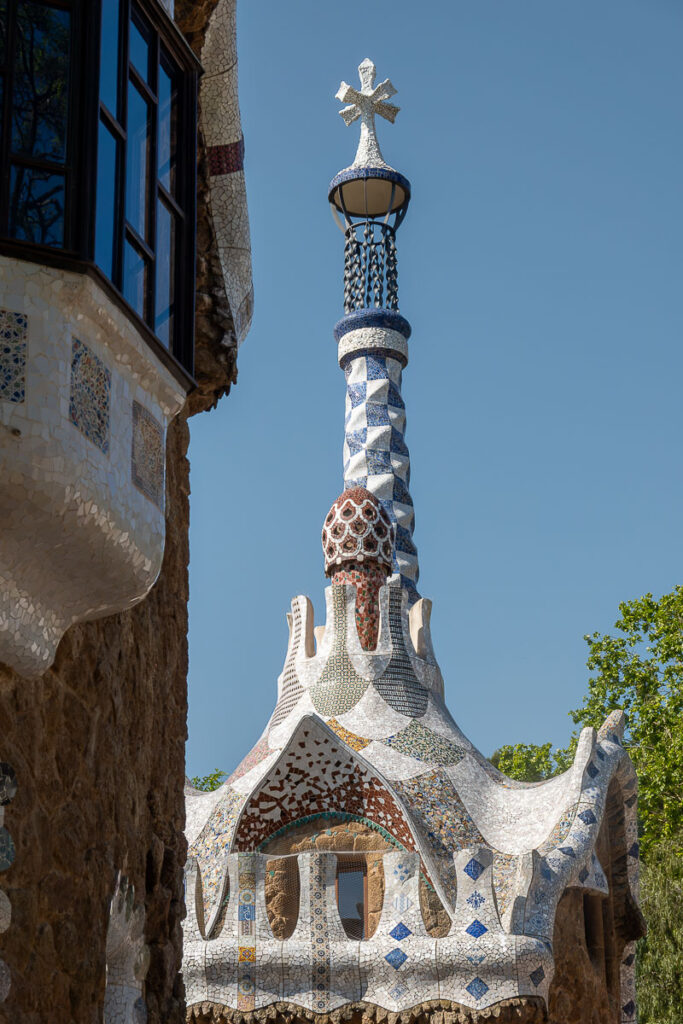
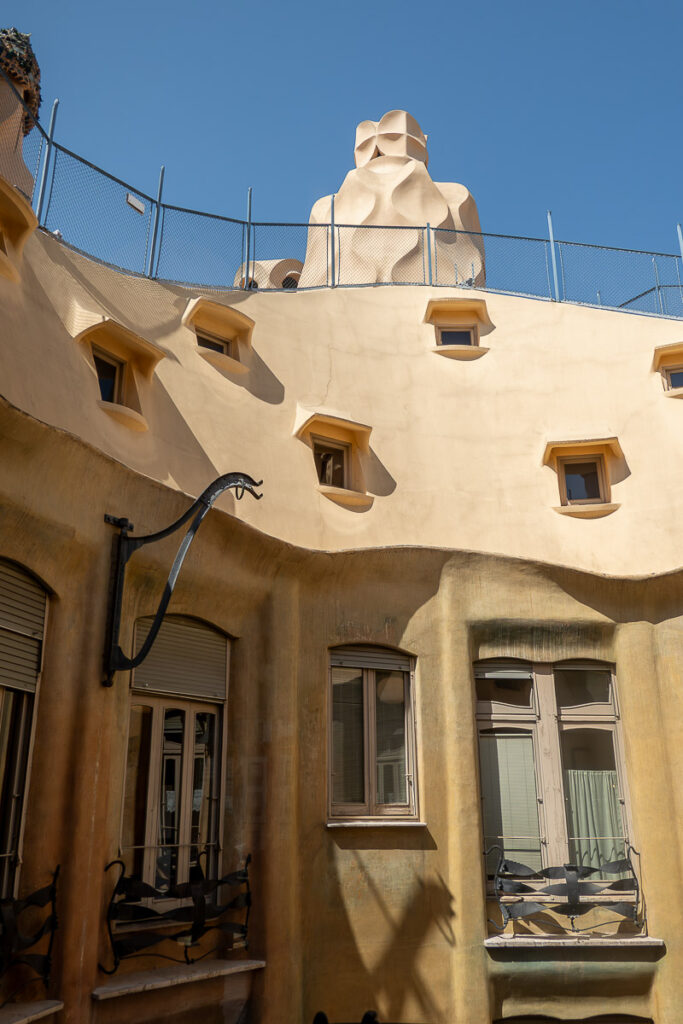
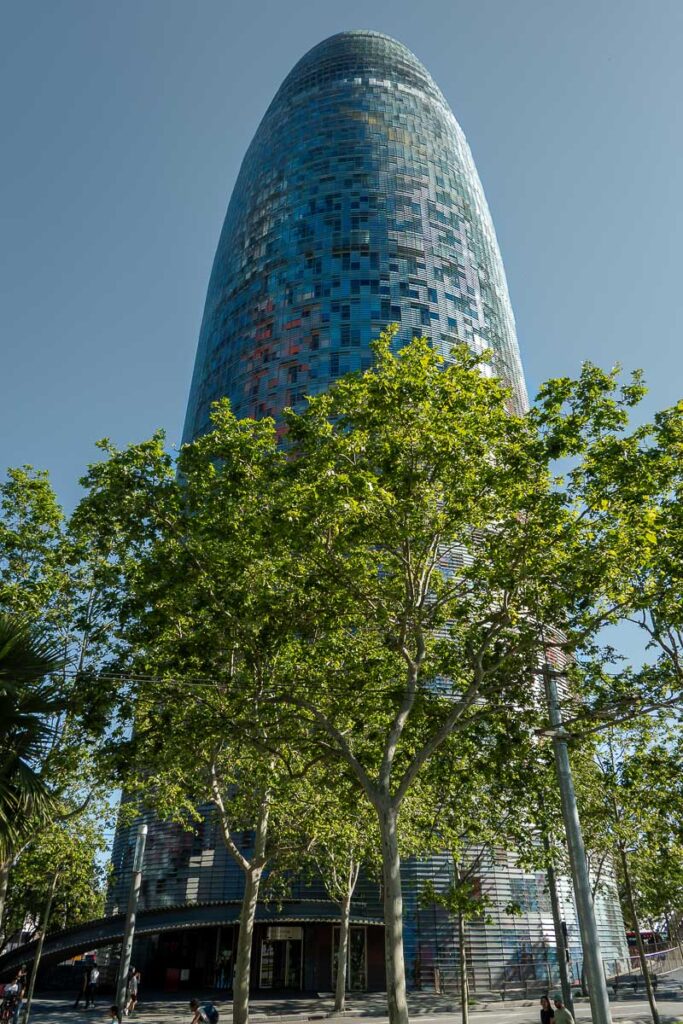
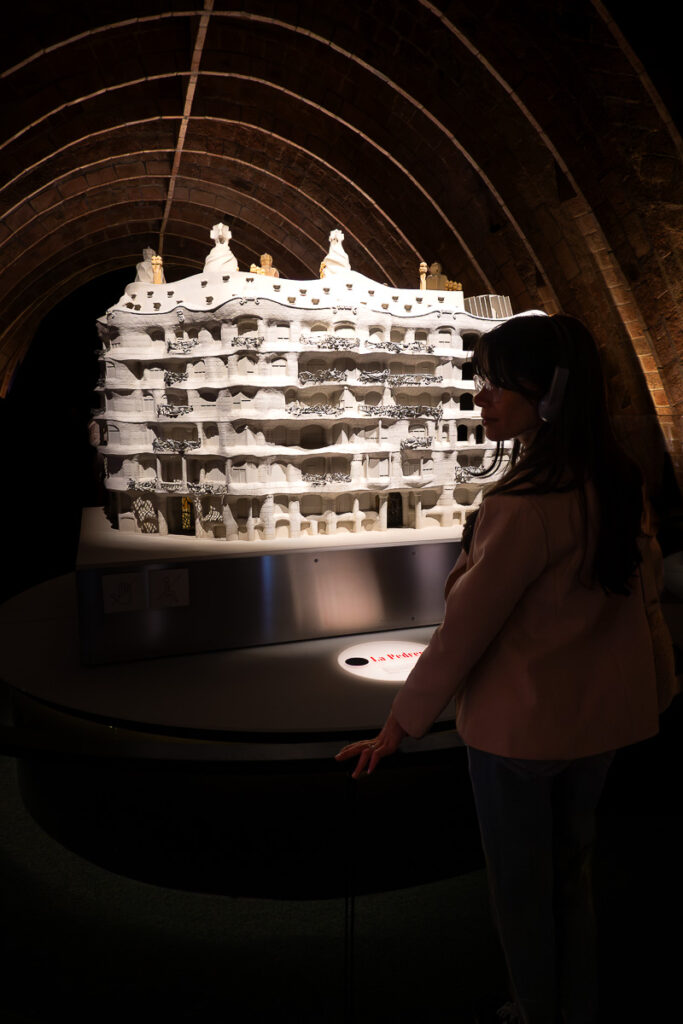
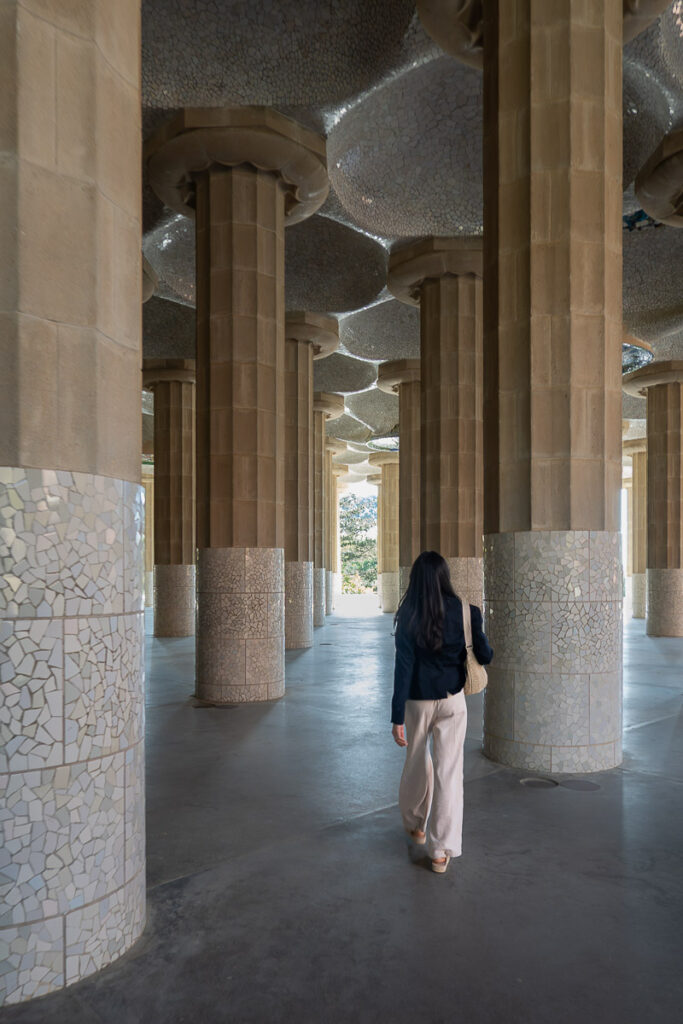
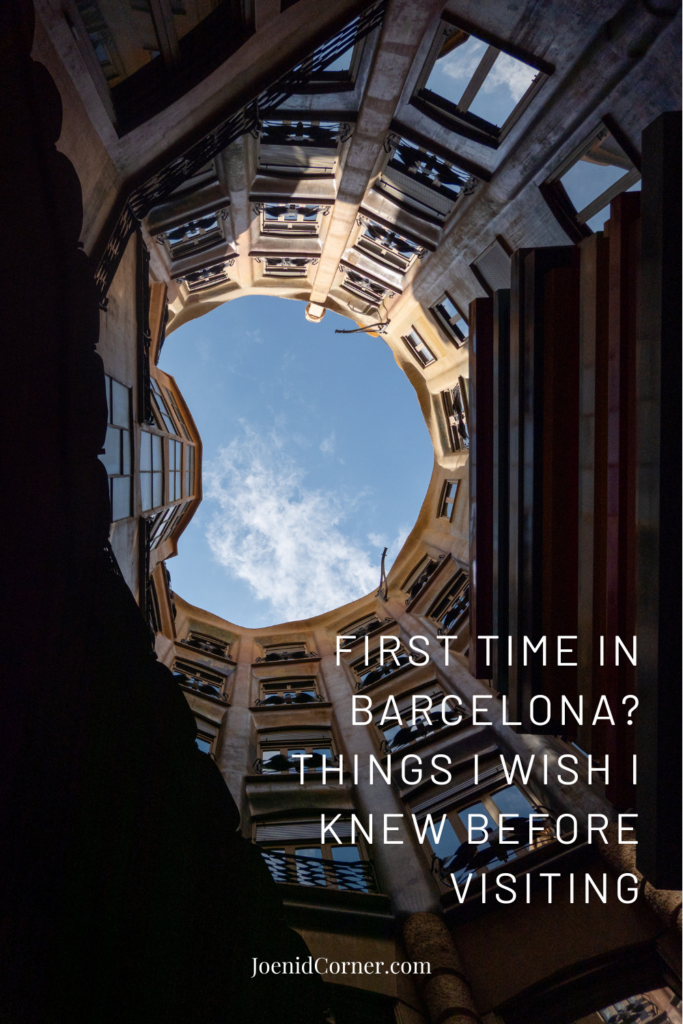
Stunning structure at Park Güell, view of the interior courtyard of Casa Mila (La Pedrera), and Torre Glòries,
Worst Time To Visit Barcelona?
Try to avoid visiting Barcelona in August. It’s vacation month for many Europeans, so while tourist attractions remain open, many locals close their shops and restaurants. If you’re hoping to enjoy authentic vegan or gluten-free food in Barcelona, you might be disappointed in August.
These events draw big crowds, so expect the city to be busy and pricey, unless you’re coming specifically to enjoy them:
Costs: The cost really depends on your travel style and the time of year. When we visited Barcelona early in May, we chose the Eixample district. You’ll notice that hotels and flights can get much more expensive around June and July.
Food: For non-vegan options, you’ll find affordable meals like the traditional “menú del día,” which includes a starter, main dish, dessert, and sometimes even wine, all for around €15–20. Vegan and gluten-free meals might be a bit pricier, but we found that they’re made with fresh ingredients and often come with a creative twist that makes them a delicious experience worth trying.
Note: Avoid eating in tourist-heavy spots (like right next to attractions). We have learned that if a restaurant has photos on the menu and a host waving you in, it’s usually not the most authentic or best quality, and typically more expensive.
Is Barcelona a Safe Place to Visit?
General safety: Overall, Barcelona is safe, but like any popular tourist destination, you need to stay aware. Pickpockets are the biggest issue, especially in crowded areas. The only time we felt uncomfortable was outside the Sagrada Família, where the crowd was overwhelming, and we kept a close eye on our belongings.
Pickpocket hotspots in Barcelona: La Rambla and Mercado de la Boqueria are known for pickpockets, and the metro is another common spot. We avoided those areas entirely and felt completely safe walking along Passeig de Gràcia and back to our hotel several times.
How to avoid pickpockets in Barcelona?
Never walk alone on La Rambla at night.
Keep valuables secure and avoid backpacks in crowded areas.
Public transportation (like the metro) is convenient, but it is also known for pickpockets. We preferred taxis and walking for peace of mind.
Avoid crowds. Keep your belongings hidden, especially in crowded areas.
Get a hidden money pouch or a slim belt to store your money.
Avoid taking out money at the airport or ATMs in the city to avoid being targeted.
From our experience, Barcelona truly deserves more than just a quick visit, we’d say three days is the sweet spot to soak it all in. Since we had limited time before embarking on our Virgin Voyages Mediterranean trip, we focused on the highlights: Sagrada Família, Park Güell, Casa Batlló, and La Pedrera. It gave us just enough to feel the city’s charm, even though places like the Gothic Quarter and Montserrat will have to wait for next time.
The best area to stay in Barcelona is the Eixample, as it is close to most of the popular spots and a safe area to walk.
It’s actually the same neighborhood where we stayed at the Seventy Barcelona Hotel, a beautiful boutique property with a Michelin Key recognition. If you’re curious about what it’s like to stay at this hotel, you can check out our full Seventy Barcelona Hotel review.
How to get around Barcelona as a tourist?
Is Barcelona walkable? Barcelona is a very walkable city, and most areas can be easily explored on foot, especially if you stay in the Eixample district.
Public transport vs. taxis: Public transportation, like the metro, is affordable, but we preferred taxis or Cabify (Uber in Europe) for comfort and convenience. The metro can be crowded, and we were concerned about pickpockets.
Do you need to rent a car in Barcelona? No, we don’t recommend renting a car in Barcelona. The parking is limited, and taxis or public transport are more convenient.
Practical Things To Know Before Going To Barcelona
Electric plugs: Spain uses European Type C plugs (two round pins). Don’t forget to pack an adapter.
Currency: Spain uses the euro (€). Credit cards are widely accepted, but it’s a good idea to carry some cash for smaller purchases. Just keep in mind that if your credit card adds foreign transaction fees, you might end up paying a little extra on each purchase. I recommend using a card without these fees so you can save that money for something fun on your trip.
Meal times: Locals eat later than you might expect, lunch around 2:00 pm, and dinner after 9:00 pm.
Tipping: Tipping is not mandatory, but leaving a small tip (like rounding up the bill) is appreciated.
Siesta and Sunday closure: Many places close between 2:00 pm and 5:00 pm for siesta, and most businesses are closed on Sundays except in tourist areas.
Booking in advance: For popular attractions like Sagrada Família and Park Güell, it’s a good idea to reserve tickets in advance.
Weather and Packing Tips: No matter when you visit Barcelona, pack layers, since the weather can shift during the day.
Don’t eat in tourist-heavy areas, like La Rambla or Mercado de la Boqueria, as the food is often overpriced and of lower quality.
Language: Spanish and Catalan are both spoken in Barcelona, but you can get by with English in most tourist areas.
If you’re planning to stay a little longer in Spain, you might be wondering what other cities are worth visiting near Barcelona. On our trip, we hopped first on the high-speed train to Valencia from Barcelona airport, and honestly, it was such an easy ride. We share exactly how I got there and what we managed to see in just one day in Valencia.
Found this article helpful? Hover over and save the image below to your Pinterest boards so it’s ready for later. While you’re there, follow me for more inspiration!
Before You Go: You might like reading some of my other guides and experiences on Barcelona:
I’m a dedicated travel blogger helping you experience luxury travel and exceptional vegan dining, from boutique hotels to plant-based restaurants and Virgin Voyages cruises. I do all the research so you can focus on packing.